
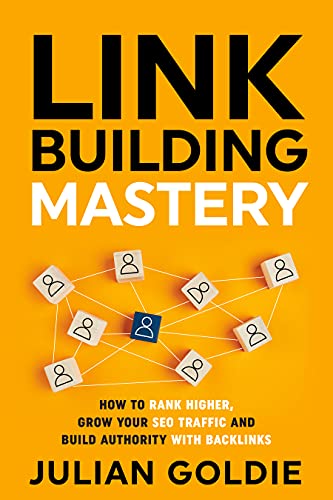
Mastering SEO: 7 Essential Techniques for Ranking Higher
SEO or Search Engine Optimization is the practice of optimizing your website to rank higher on search engine results pages (SERPs). As an online business owner or blogger, you want to rank higher on SERPs to drive more organic traffic to your website. In this article, we will discuss seven essential SEO techniques that will help you rank higher on SERPs and drive more traffic to your website.
1. Keyword Research
Keyword research is the foundation of any successful SEO campaign. It involves identifying the keywords and phrases that your target audience is using to search for your products or services. You can use tools like Google Keyword Planner, Ahrefs, or SEMrush to identify relevant keywords and phrases for your website.
Tip: Use long-tail keywords, which are more specific and have lower competition, to rank higher on SERPs.
2. On-Page Optimization
On-page optimization refers to optimizing your website’s content and HTML source code to make it more search engine friendly. This includes optimizing your meta titles and descriptions, header tags, images, and internal links.
Tip: Use descriptive and keyword-rich meta titles and descriptions to attract more clicks from search engine users.
3. Content Creation
Creating high-quality, relevant, and engaging content is essential for ranking higher on SERPs. Your content should be optimized for your target keywords and provide value to your target audience.
Tip: Use header tags, bullet points, and short paragraphs to improve the readability of your content.
4. Mobile Optimization
With the majority of internet users accessing websites through their mobile devices, it’s crucial to have a mobile-friendly website. Google’s mobile-first indexing means that websites that are not mobile-friendly will rank lower on SERPs.
Tip: Use responsive design to ensure that your website looks good on all devices.
5. Link Building
Link building is the process of acquiring backlinks from other websites to your own. Backlinks are an important ranking factor for search engines, as they indicate that other websites consider your content to be valuable.
Tip: Focus on acquiring high-quality, relevant backlinks from authoritative websites in your niche.
6. Technical SEO
Technical SEO refers to optimizing your website’s technical elements, such as page speed, URL structure, and XML sitemap, to make it more search engine friendly.
Tip: Use Google’s PageSpeed Insights tool to identify and fix issues that are slowing down your website.
7. Analytics and Monitoring
Analytics and monitoring are essential for measuring the success of your SEO campaign. Use tools like Google Analytics and Google Search Console to track your website’s traffic, rankings, and performance.
Tip: Set up goals and conversion tracking to measure the ROI of your SEO campaign.
Curiosities and Interesting Facts
- Google processes over 3.5 billion searches per day.
- SEO is constantly evolving, with Google making hundreds of algorithm updates every year.
- In 2023, the top three organic search results received over 75% of all clicks.
Frequently Asked Questions (FAQs)
1. What is SEO?
SEO or Search Engine Optimization is the practice of optimizing your website to rank higher on search engine results pages (SERPs) for relevant keywords and phrases.
2. Why is SEO important?
SEO is important because it drives organic traffic to your website, which can lead to more leads, sales, and revenue for your business.
3. How long does it take to see results from SEO?
SEO is a long-term strategy, and it can take several months to see significant results. However, the benefits of SEO are long-lasting and can provide a high ROI over time.
4. What are backlinks?
Backlinks are links from other websites to your own website. They are an important ranking factor for search engines, as they indicate that other websites consider your content to be valuable.
5. What is on-page optimization?
On-page optimization refers to optimizing your website’s content and HTML source code to make it more search engine friendly. This includes optimizing your meta titles and descriptions, header tags, images, and internal links.
6. How do I measure the success of my SEO campaign?
Use tools like Google Analytics and Google Search Console to track your website’s traffic, rankings, and performance. Set up goals and conversion tracking to measure the ROI of your SEO campaign.
7. How often should I update my website’s content?
You should update your website’s content regularly to keep it fresh and relevant. Aim to publish new content at least once a week.